

The guy is a machine. High energy. Hi IQ. Hi EQ.
The whole package.
One of the all time greats.
And it’s essential to listen to his keynote’s.
Especially when he goes home to Taiwan.
The heart of his universe.
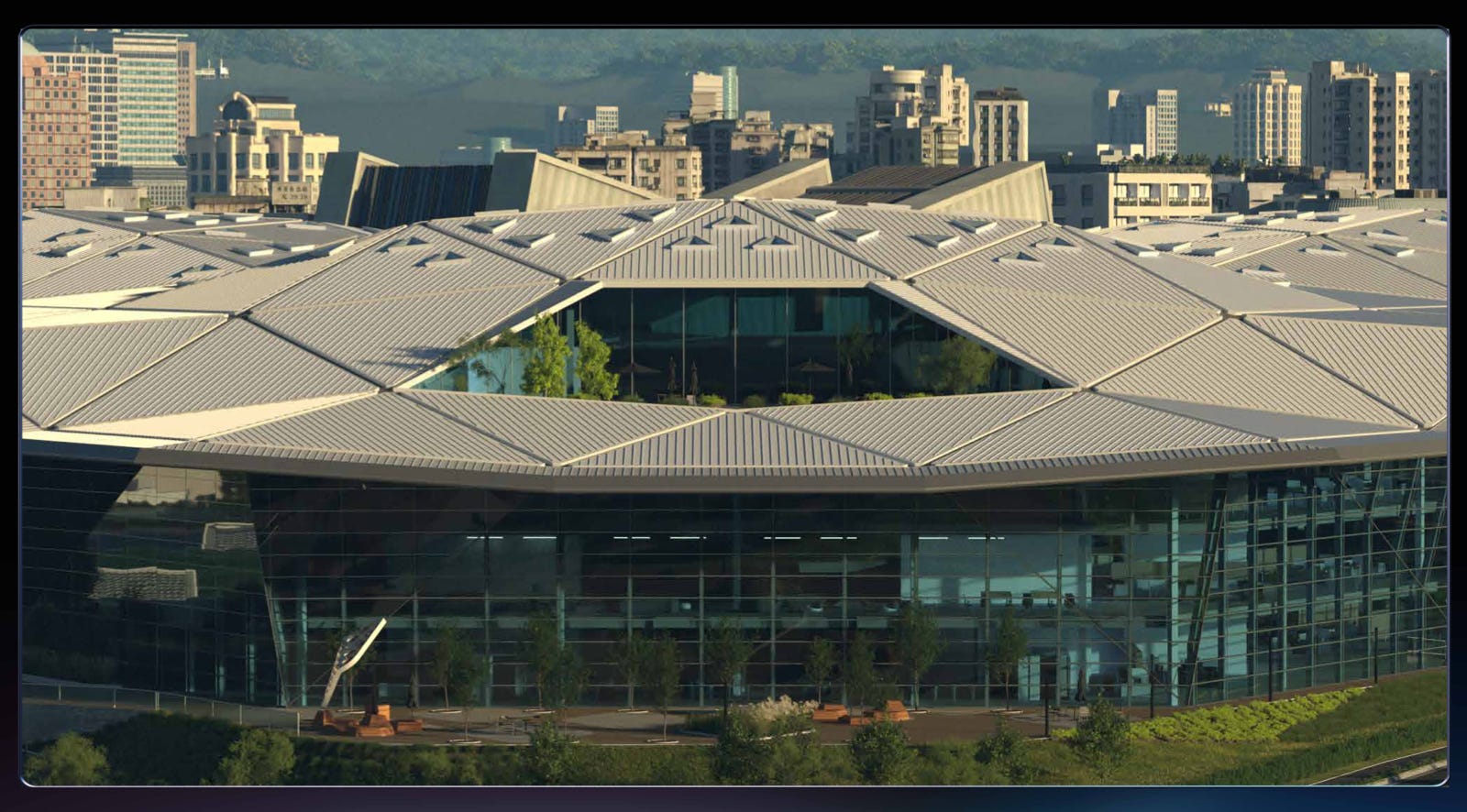
Here are my takeaways.
#1 No longer a chip company.
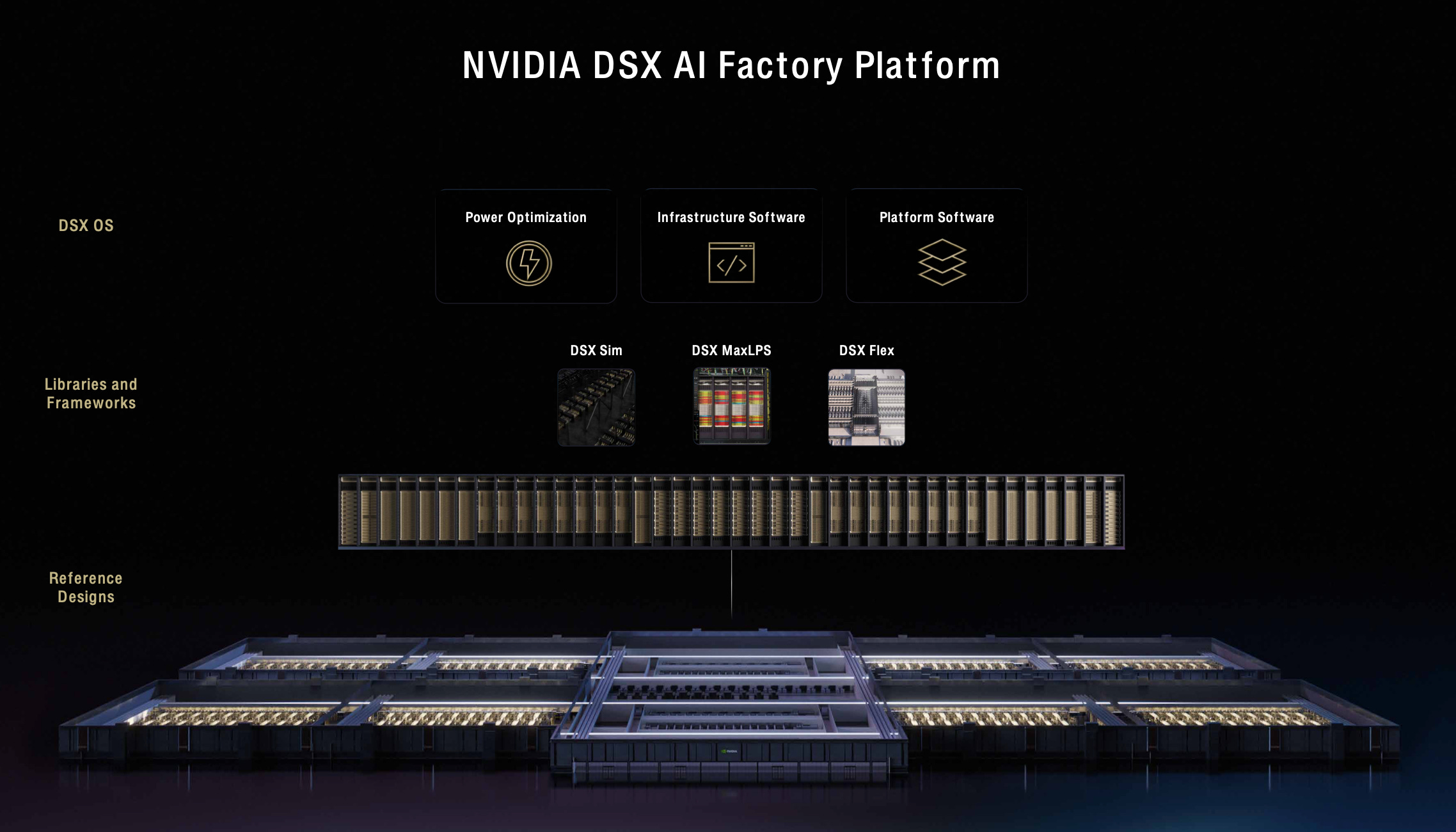
When you design $100 billion data centers top to bottom with DSX simulation software you are no longer making ‘chips’ for a box. You are the box.
Nvidia is building factories. The most complex, expensive factories in the history of mankind. $100 billion for 1 datacenter. In comparison the So-Fi stadium cost $5bn.
A datacenter is +20x the So-Fi stadium.
Think about that.
This is the new industrial revolution. We thought Trump’s re-industrialisation of the US to look like car assembly lines, instead it is AI factories which make tokens.
#2 Nvidia as the benevolent dictator.
A recurring signal in GTC presentations are slides showing Nvidia’s partners. Jensen boasts of these great partnerships. They are partnerships, but another interpretation is that Jensen is creating self-reinforcing network effects. Nvidia feeds the whole ecosystem. Like the Toyota supplier ecosystem.
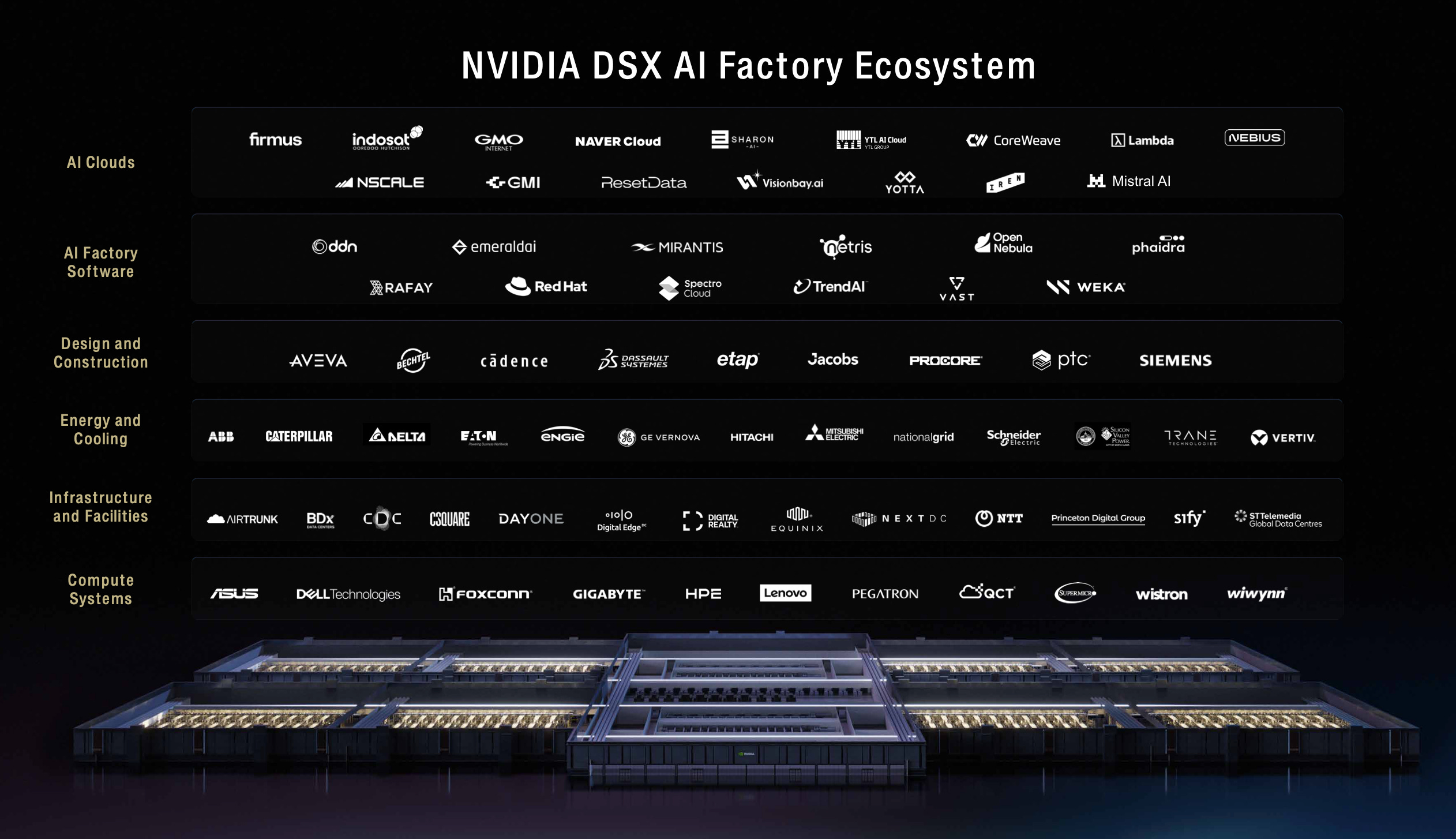
Nvidia finances the clouds (Coreweave,Nebius, IREN) who buy the chips, who appoint the design and construction firms for these multi-billion $ projects. Bechtel, Siemens, Caterpillar, ABB, HPE, Dell, Foxconn, Pegatron, Digital Realty, Mitsubishi Electric.
Nvidia sets the design and the technology and organises how it all comes together. Nvidia also decides where they want to extract value and where they are willing to let others own the space.
I imagine if you were trying to build an AMD datacenter you would experience grit at every step of the supplier selection process trying to save that 20% on the chips. The system is built around Nvidia.
#3 Tokens/Watt
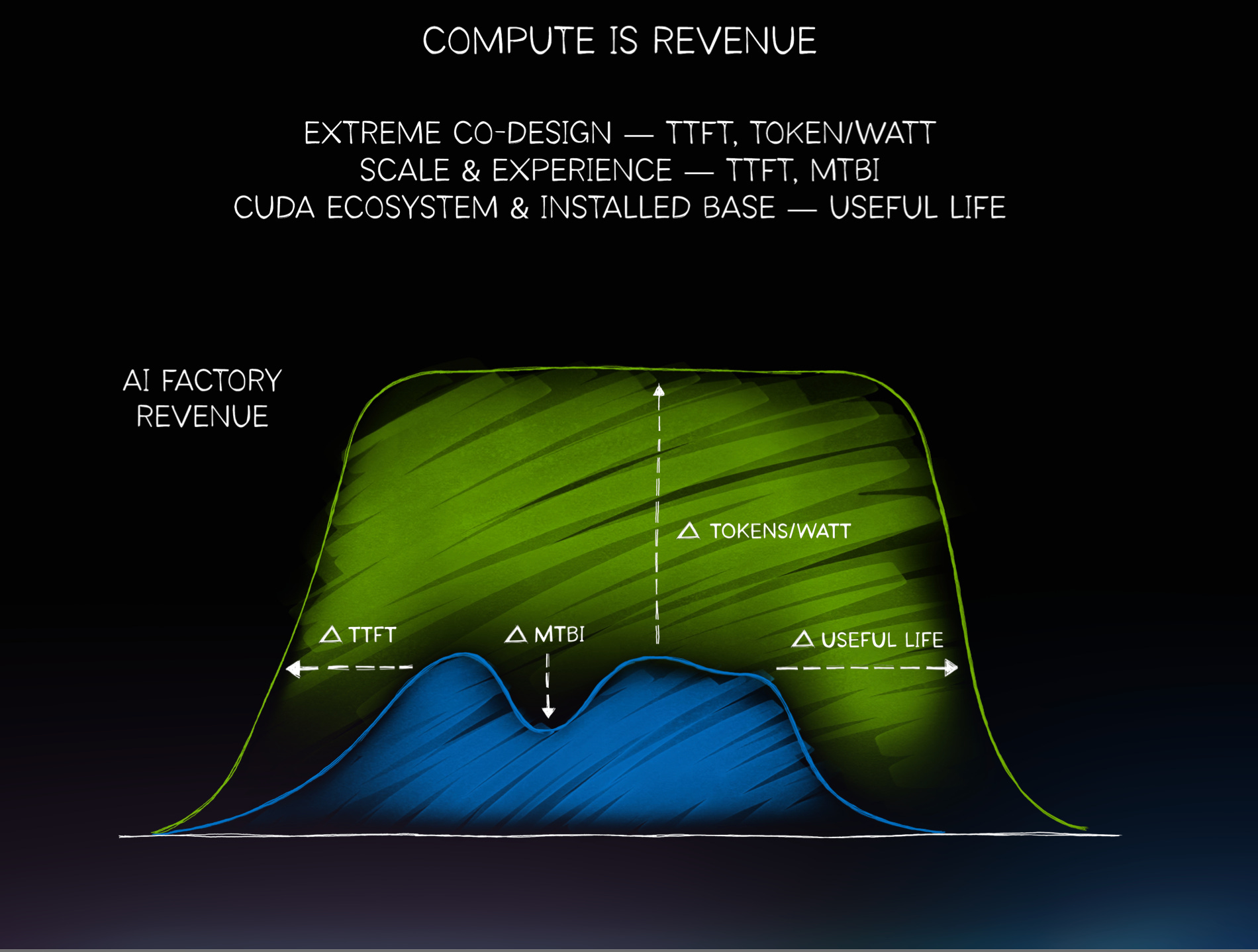
The constraint for a datacenter is energy. You only have 1 GW to work with. That’s all the local utility will give you. So revenue maximisation is how many tokens you can create with your 1GW. Tokens create revenue and the key metric is tokens/watt.
You buy an Nvidia Vera Rubin datacenter because Nvidia (and their ecosystem) will get you the fastest TTFT (time to first token), the highest token/watt and the longest life cycle. The more tokens your datacenter can crank out during it’s life cycle the higher the revenue, the higher the project ROI.
Jensen likes to joke “the more you buy the more you make.” Which is why Q2 revenues were $96bn and +106% yoy.
#4 Software creation going vertical.
New commits and repos on Github are going vertical. Jensen points to this as an example of improving software developer efficiency. The same number of developers can produce 3x as much software/person thanks to AI coding systems.
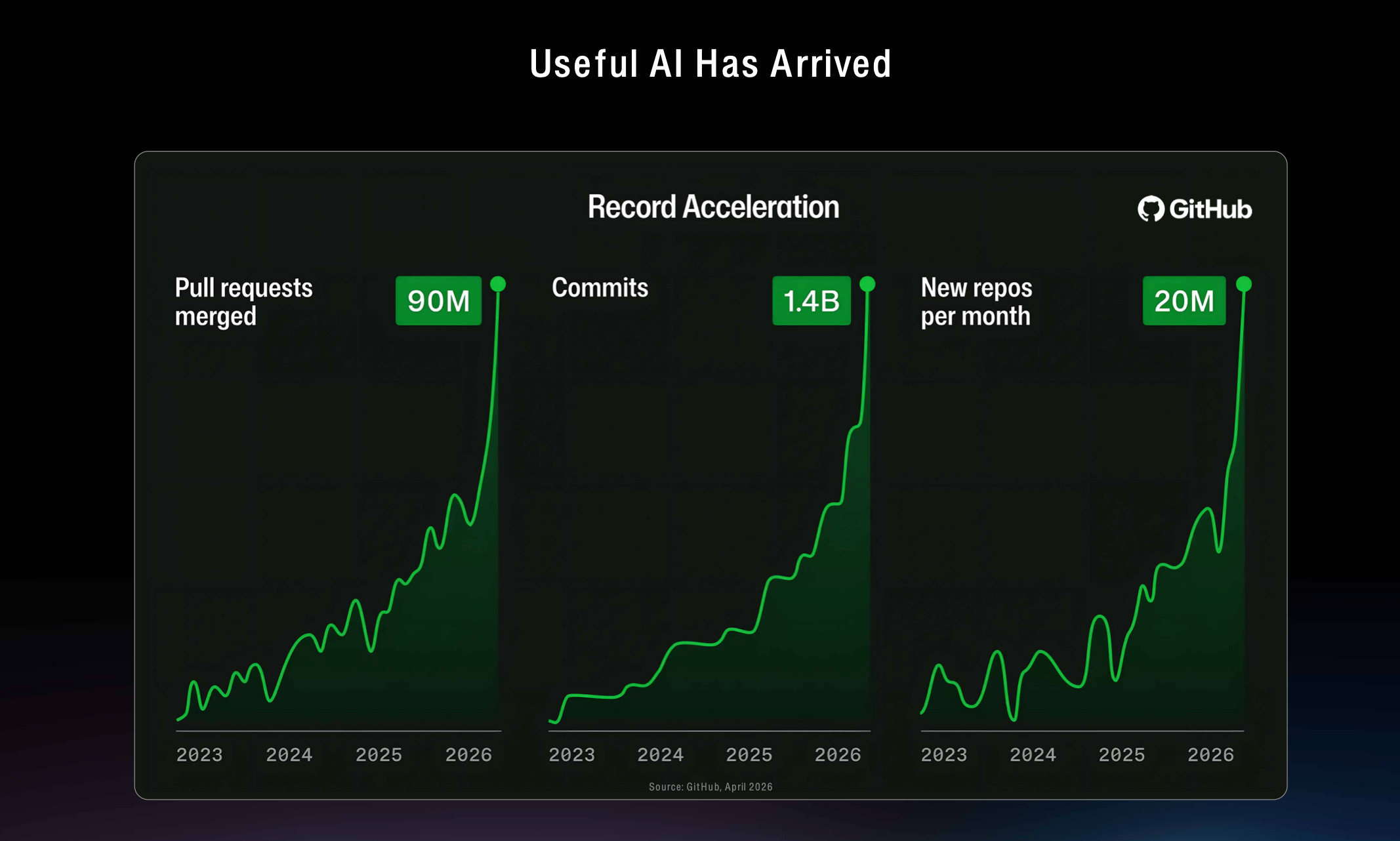
It’s interesting. But what is the economic significance of this? Does more software mean higher GDP growth? Jensen thinks so and that this has will come through into higher GDP. Cathy Wood has been forecasting the same thing. That GDP growth accelerates is AI kicks in. Maybe Github commits are a new economic indicator we should be tracking. At the very least all this software has to be hosted and run somewhere, which is good for datacenters and the companies who build them (Nvidia).
#5 The Agentic Computing Framework
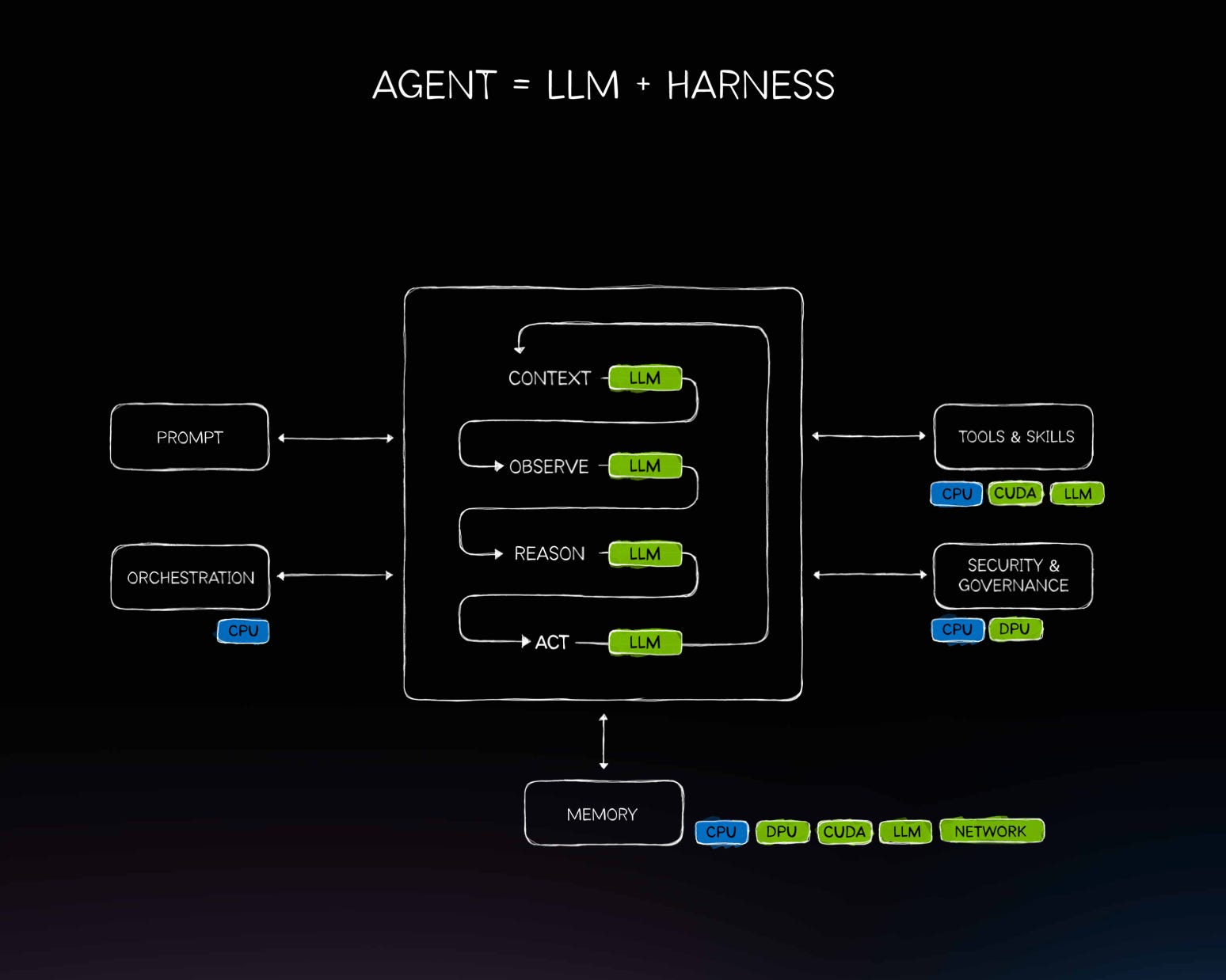
According to Jensen agents are the key architecture going forward. Everything, even a computer, will be an agent.
An agent is a brain (LLM) connected to a harness. The harness controls what the LLM does. The harness is the prompts, the tools (a database, an API, spreadsheets), the skills, the runtime (cpu, Railway) and the memory.
#6 Agentic framework will be good for software companies?
Traditionally software companies were selling ‘seats’. And seats were constrained by the number of humans. There is no constraint on the number of agents. There can be billions. The billions of agents will need to use software as part of their tools. And the software needs to be configured to be usable by agents. Adobe, for example has built connectors so ChatGPT and Claude can edit photos directly through the chat window. It’s a cool feature to try out in ChatGPT.
It’s a new opportunity for software companies, but also a new business model. Software companies used to control the customer through the interface, but how does that work for an agent accessing a connector? TBD.
#7 The Neoclouds are working.
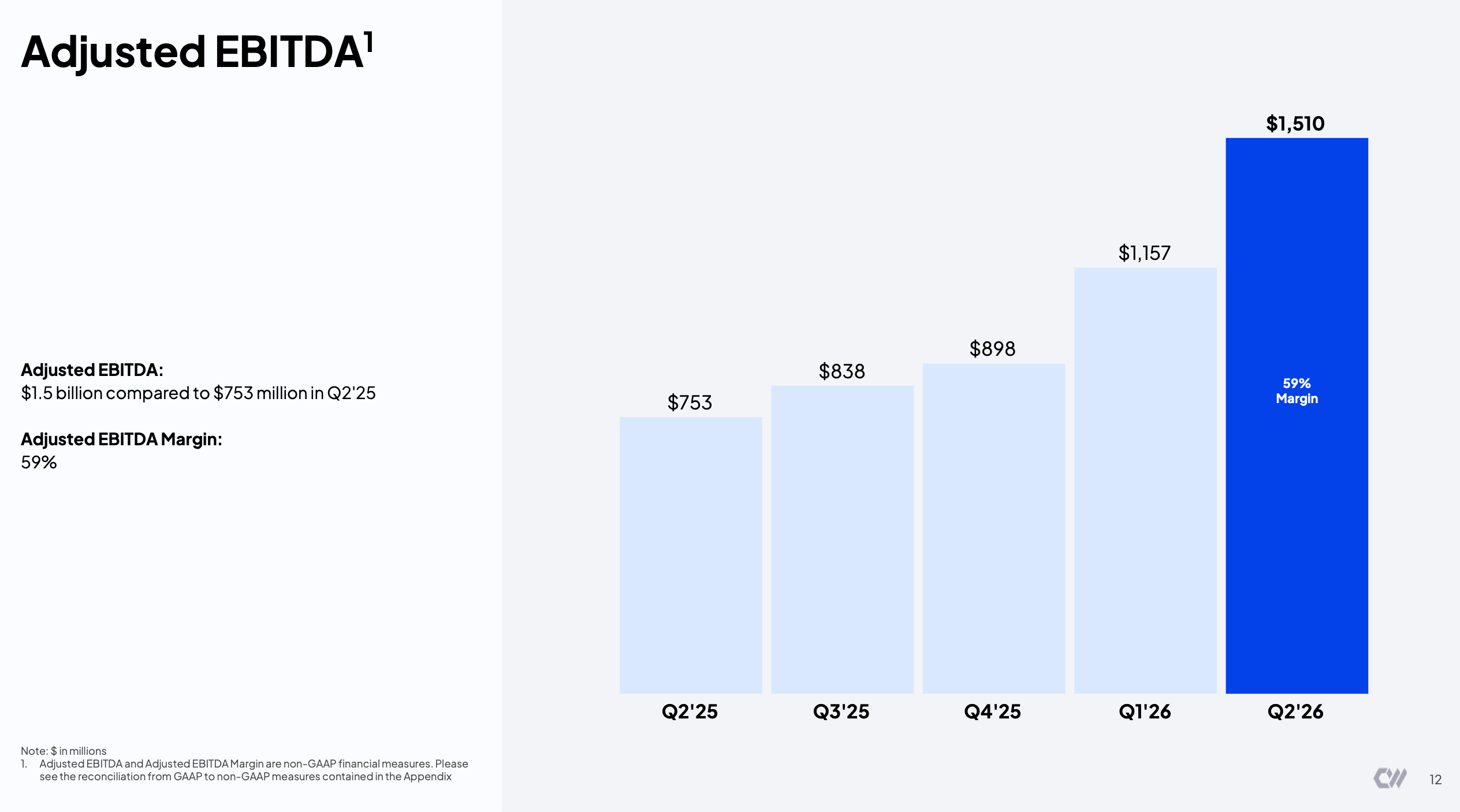
Everyone went bananas when Nvidia invested in CoreWeave in 2023. This was seller financing and the 1999 internet bubble all over again. But here we are 3 years later and Coreweave shows they were right about the opportunity they saw to build AI native data centers. Coreweave is a real business with a $49bn market cap and $6bn in run rate EBITDA. Coreweave continues to build their AI capabilities, make technology acquisitions and build a top notch customer list (Anthropic, Cursor, Jane Street). Nvidia has since expanded its neocloud investments to Nebius and IREN.
The early private credit funds (Blackstone and Magnetar) also show they were not reckless idiots for financing Coreweave. They were just innovative. Now Coreweave is more established and financing itself with investment grade debt issued through Mitsubishi and Morgan Stanley, which BTW is a core YWR thesis (large banks are going to come to the party).
#8 Are Taiwanese hardware stocks too cheap?
