

We spend so much time chasing the next great stock idea and not enough time talking about portfolio management.
How do we put these ideas together?
How do we manage them? When do we sell them?
Here are 20 tips/guidelines based on my experience managing my own portfolio as well as institutional portfolios.
#1 The biggest thing to protect the portfolio against is yourself. A lot of what follows are tips to protect the portfolio from your own erratic judgement. That is the biggest risk to long-term returns.
#2 Returns are positively correlated to position size and holding periods. The big gains are made in holding a small number of amazing stocks for long periods of time. Ask anyone that has made a lot of money in the stock market (from their portfolio, not people who have made money managing other people’s money) and they will almost always point to 2-3 investments which made a big difference in their life. You never hear about the guy who got rich trading 30 positions all day.
#3 Try to buy quality even if it seems like it has less upside. Own things you are proud of (at least to some extent). Stuff where you would say “I own bla blah blah..” at a party like you are some kind of corporate tycoon. This way when the market is crashing, everyone is panicking, you are kicking yourself because your ideas aren’t working and everything is losing money, and the whole world has changed, you stop yourself in that moment, pause longer, think like a business owner, hold on and keep the position instead of selling. And that makes all the difference. That’s the difference between selling on the lows, like a muppet, and getting through to the other side. It’s why owning higher quality, with less upside, can actually return more.
#4 Try to look over the horizon to years 4 & 5. Most of us struggle to think longer than 1-2 years. But years 4-5 are where differences in growth compound and make a big difference. Years 4 and 5 are where strategically advantaged companies pull away from the others. Think to yourself which stocks are going to age well? Conversely, getting a handle on that 5 year EPS also gives you a better idea if a growth stock is overpriced.
#5 Have 3-4 diversified themes. If you like investing in themes make sure the themes are diversified. And diversified by investor base. Investors with the same world view often invest in similar themes (uranium, gold mining, Brazil, offshore drilling). Run a correlation heat map of your ideas then dial up the under correlated ideas and dial down the ideas which act like everything else.
You can give Stevie 10 tickers and ask him to email you a correlation heat map. Lower correlation means you are less likely to freak out and over trade in high volatility situations. Again, this is about protecting the portfolio from you.
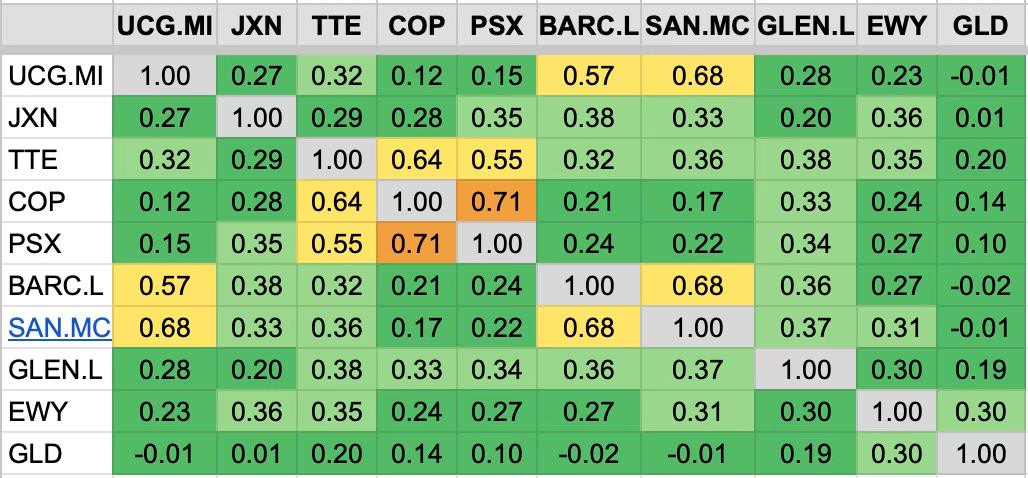
#6 Don’t try to get rich from your portfolio. If your portfolio generates 10%/year for multiple years, hooray!!! Job well done. That’s all it needs to do. Your big change in wealth is likely not going to come from trading stocks. It will come from your job, your savings and your business. For much of its life cycle an investment portfolio is just an extra engine in addition to everything else you are doing in your life. If you try to get rich just from trading stocks you will go insane.
#7 Keep long-shots to a minimum. Biotechs, exploration stocks, legal cases, early stage tech start-ups; they are all alluring. Some work out. Most do not. The problem with most of these is they are all or nothing, and detract from the high quality compounding going on in the rest of the portfolio. I generally resist these types of investments. When I do get sucked into them (we are all human) I make them small.
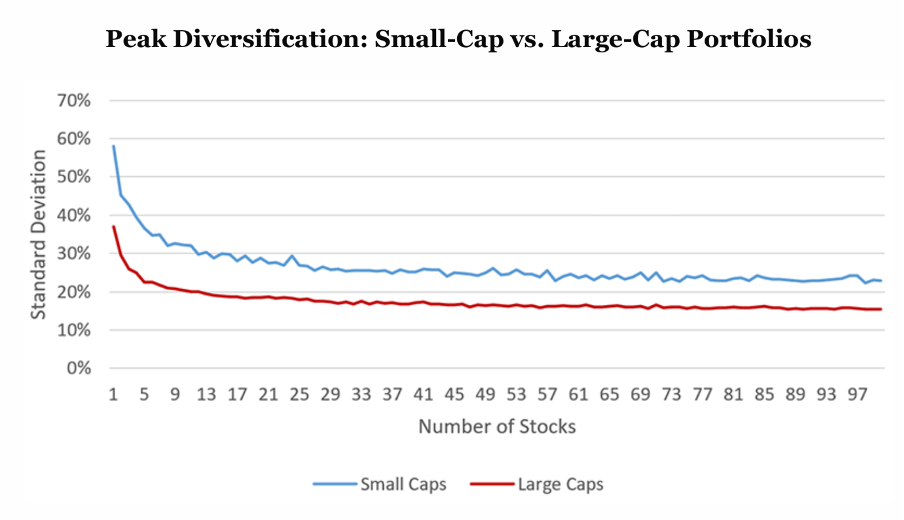
#8 Keep it under 20 positions. Diversification effects drop after 14 stocks. If you have 30 stocks really think about which are the high conviction ideas. Prune 5 to start, especially if you can get rid of 5 without generating capital gains tax. When you get it down to 25, give it a month or two, keep analysing, then get it down to 20. Which are the great companies which will compound over +5 years? Or, which companies are going to pay great dividends.
#9 Dividends are underrated. The most certain thing in your portfolio’s return is the dividend. Yet we focus 90% of our time on the capital gains. Even though gains are a lot harder to predict.
Which is why it’s really useful if you can have some stocks with 8% dividend yields paying you checks every quarter. It’s nice to look at your brokerage account and see those checks continually coming in. It reinforces in your mind that your money is working for you while you focus on your day job. Structure you portfolio so there are always checks coming in even if they are automatically reinvested or through accumulation shares in an ETF.
#10 You generally don’t need to own bonds. When you look at the chart below of the relative total return of stocks versus bonds, there are periods where the line is flat (stocks and bonds return the same) but rarely prolonged periods where the line slopes down (bonds outperform stocks).
